 200 E. 30th Street, Kansas City, MO 64108, USA.
 +1 (816) 7723095

In industrial packaging, efficiency, flexibility, and product protection are key priorities. One technology that delivers all three is the nozzle vacuum sealer. Unlike traditional chamber vacuum systems, nozzle vacuum sealers draw air directly from the inside of the package using a retractable nozzle, making them ideal for a wide range of product sizes, shapes, and materials.
A nozzle vacuum sealer removes air from packaging by inserting one or more nozzles into the bag opening. The vacuum pump creates negative pressure to evacuate air and a heat sealing mechanism then creates an airtight seal. Because the nozzle reaches directly into the package, this method offers faster vacuuming and greater flexibility than chamber‑based systems limited by fixed chamber volume. Modified Atmosphere Packaging (M.A.P.) and gas flushing options further enhance product preservation where needed.
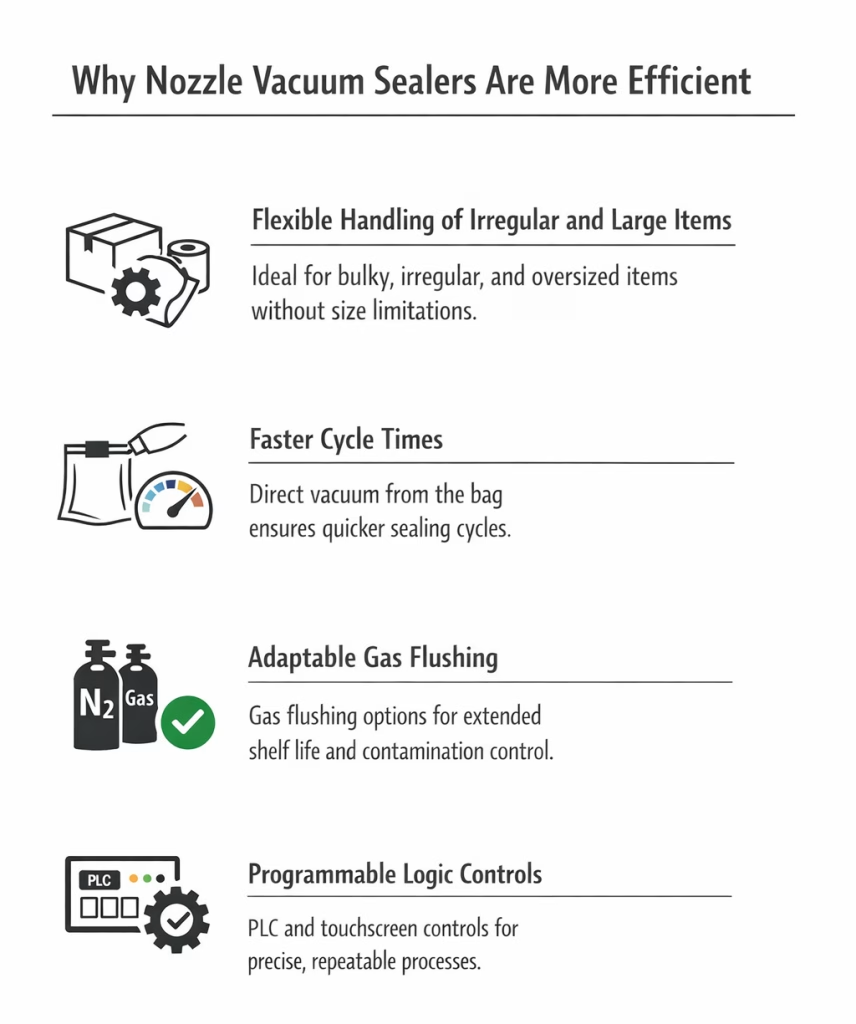
Nozzle vacuum sealers are ideal for items that are bulky, irregular, or too large for traditional chamber machines. Industrial nozzle systems can seal items like electronic components, tools, and packaging films without size limitations.
Since the vacuum is pulled directly from the bag and not the chamber, the system reaches target vacuum levels quicker, allowing operators to seal items faster than in chamber units. This improves throughput in continuous production environments.
Many nozzle vacuum sealers offer gas flushing options where nitrogen or other inert gases are introduced before sealing. This helps improve product shelf life and protect sensitive materials from oxidation or contamination.
Industrial models such as the ETN Series or EDG Series use PLC control and touch screens, enabling operators to store vacuum, seal, and cool profiles for consistent results across production batches. High‑flow twin nozzles and stainless steel construction also support clean, reliable performance.
| Feature | Nozzle Vacuum Sealer | Chamber Vacuum Sealer |
| Vacuum Method | Suction via retractable nozzle | Entire product placed in vacuum chamber |
| Best For | Small to medium batches, irregular packages | High volume, large batch operations |
| Size Limitations | Minimal; only bag length matters | Chamber size limits product size |
| Flexibility | Excellent for varied product shapes | Best for uniform batches |
| Typical Use Cases | Electronics, components, medical pouches | Packaged foods, bulk products |
Nozzle vacuum sealers are widely used in:
These sealers contribute to leaner packaging workflows, reduced packaging waste, and enhanced product protection in diverse industrial settings.
Nozzle vacuum sealers improve productivity and reduce operational costs by accelerating the packaging process and providing consistent, high-quality seals. They are ideal for irregular, fragile, or bulky items that traditional chamber machines cannot handle efficiently. By creating airtight packages, these sealers help maintain product quality, prevent contamination, and reduce spoilage. Additionally, optimized vacuum cycles and gas flushing capabilities minimize packaging material waste and enhance the overall efficiency of industrial production lines.
Key Advantages:
A nozzle vacuum sealer significantly improves packaging efficiency in industrial environments through faster cycle times, flexible packaging of irregular items, advanced gas flush options, and programmable production settings. Real‑world cases show improved workflow and productivity with modern nozzle systems. When paired with robust design and PLC controls, nozzle vacuum sealers are a versatile choice for industries ranging from electronics to food and medical packaging.
A nozzle vacuum sealer removes air from packaging by inserting a retractable nozzle into the bag or pouch. The vacuum pump evacuates air, and an impulse heat sealer creates an airtight seal, protecting the contents and extending shelf life.
Nozzle vacuum sealers are ideal for irregular, bulky, or fragile items. Common uses include electronics, medical instruments, food products, and industrial components that require airtight packaging.
By removing air directly from the bag instead of a chamber, nozzle vacuum sealers reduce cycle times, allow for flexible packaging of various sizes and shapes, and maintain consistent seal quality, boosting throughput in industrial production lines.
Yes. Many models support Modified Atmosphere Packaging (M.A.P.) or gas flushing, allowing operators to introduce nitrogen or other inert gases to preserve product freshness and prevent oxidation.
No. Regular cleaning of sealing bars and nozzle tips, inspection of vacuum pumps, and checking gaskets are typically sufficient to maintain reliable performance. Advanced models also include programmable cycles that reduce operator errors and improve consistency.
We hope you find this article helpful. The content provided is for general information purposes only. Readers are encouraged to verify product specifications, compliance requirements, and suitability for their specific applications with the relevant manufacturers or certified professionals. While we strive for accuracy, we cannot guarantee that all information is error-free. NASAVAC assumes no responsibility for any errors or omissions.
