 200 E. 30th Street, Kansas City, MO 64108, USA.
 +1 (816) 7723095

In healthcare environments, maintaining sterility is a critical part of patient care. Every surgical instrument, diagnostic tool, and reusable medical device must remain uncontaminated from the moment it is sterilized until it is used in a procedure. This is where a medical vacuum sealer becomes an essential part of modern hospital infection control systems.
By removing air and creating a secure, airtight seal, medical vacuum sealing technology helps hospitals extend sterility, reduce contamination risks, and improve operational efficiency across sterile processing departments.
Sterilization does not guarantee permanent protection. Once instruments are exposed to the environment, their sterility can be compromised quickly.
Even in controlled hospital environments, several factors can affect sterile packaging:
A medical vacuum sealer helps minimize these risks by creating a controlled, low-oxygen packaging environment that protects instruments after sterilization.
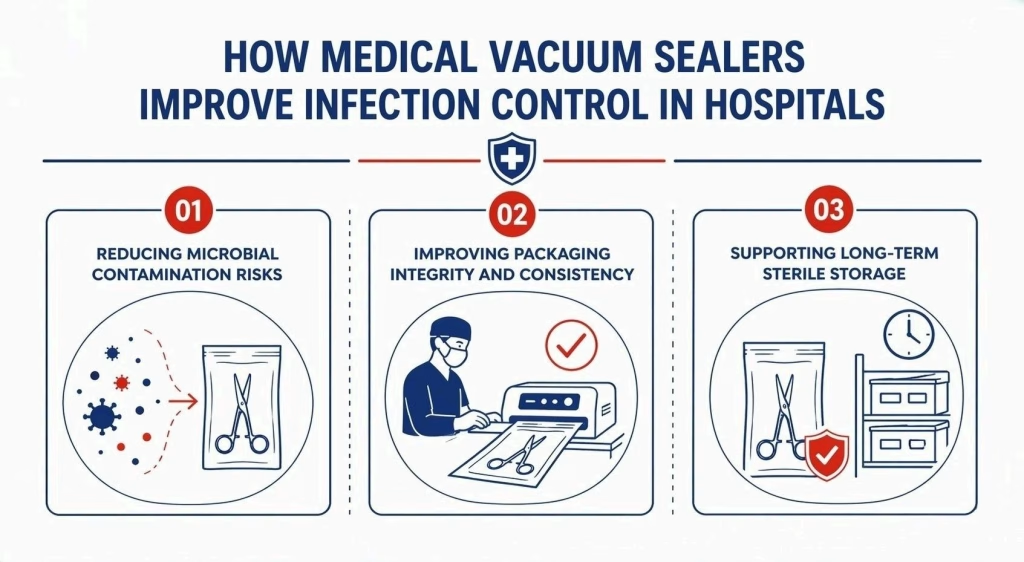
A medical vacuum sealer supports hospital infection control strategies by improving how sterile instruments are packaged and stored. Unlike traditional sealing methods, vacuum sealing removes excess air and reduces environmental exposure.
By removing air from packaging, hospitals reduce the presence of airborne bacteria and particles that can compromise sterile instruments. This helps maintain cleaner storage conditions, especially in high-traffic sterile supply areas.
Manual sealing methods can vary between staff members, leading to inconsistent results. Vacuum sealing standardizes the packaging process, ensuring every sealed item meets the same sterility protection level.
Sterile instruments often need to be stored before use. Vacuum sealing helps maintain sterility over longer periods by reducing environmental interaction and sealing out moisture and contaminants.
Patient safety is directly influenced by how well medical instruments are preserved before clinical use. Any break in sterility can increase the risk of infection, complications, or surgical site issues.
A medical vacuum sealer supports patient safety by:
This makes vacuum sealing an important part of modern infection prevention protocols in hospitals.
Sterile Processing Departments (SPD) are responsible for cleaning, sterilizing, and preparing instruments for medical use. Efficiency and accuracy are critical due to the high volume of daily workloads.
A medical vacuum sealer improves workflow efficiency by reducing manual errors, standardizing packaging, and optimizing storage space. Instruments can be processed more consistently, reducing delays in surgical preparation and improving turnaround time for critical procedures.
| Feature | Traditional Packaging | Medical Vacuum Sealing |
|---|---|---|
| Sterility Protection | Moderate and time-limited | High and extended |
| Contamination Risk | Higher due to air exposure | Significantly reduced |
| Packaging Consistency | Depends on manual handling | Standardized and controlled |
| Storage Efficiency | Requires more space | Compact and organized storage |
| Workflow Efficiency | Slower and variable | Faster and more reliable |
This comparison highlights why many healthcare facilities are transitioning toward vacuum sealing systems to improve sterility management.
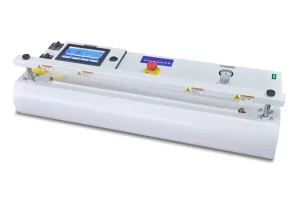
The MPT Series medical vacuum sealer is designed specifically for healthcare environments where reliability, precision, and consistency are essential.
It supports hospital operations by:
By integrating advanced sealing technology, it helps hospitals maintain higher standards of sterility and operational control.
A medical vacuum sealer is more than just packaging equipment—it is a critical component of modern hospital infection control systems. By extending sterility, reducing contamination risks, and improving workflow efficiency, it directly contributes to safer patient outcomes.
As healthcare standards continue to evolve, technologies like the MPT Series vacuum sealing system will remain essential in supporting hospitals to maintain the highest levels of sterility and patient safety.
A medical vacuum sealer is used to package sterilized medical instruments in an airtight environment. By removing air before sealing, it helps protect instruments from contamination, moisture, and environmental exposure, ensuring they remain sterile until use in clinical procedures.
It improves patient safety by maintaining the sterility of medical instruments after sterilization. Proper sealing reduces the risk of cross-contamination and infection during surgical or medical procedures, ensuring tools are safe at the point of use.
The duration depends on hospital protocols, packaging material, and storage conditions. Vacuum sealing helps extend sterility significantly compared to traditional packaging, but instruments must still follow hospital-defined storage and expiration guidelines.
Most solid, dry, and heat-resistant medical instruments can be vacuum sealed after sterilization. However, items with moisture, sharp edges that may puncture packaging, or components requiring airflow may need special packaging methods instead.
Hospitals prefer medical vacuum sealers because they provide more consistent sealing quality, reduce contamination risks, improve storage efficiency, and support standardized infection control practices across sterile processing departments.
We hope you find this article helpful. The content provided is for general information purposes only. Readers are encouraged to verify product specifications, compliance requirements, and suitability for their specific applications with the relevant manufacturers or certified professionals. While we strive for accuracy, we cannot guarantee that all information is error-free. NASAVAC assumes no responsibility for any errors or omissions.
